
The Running Method

Running Training
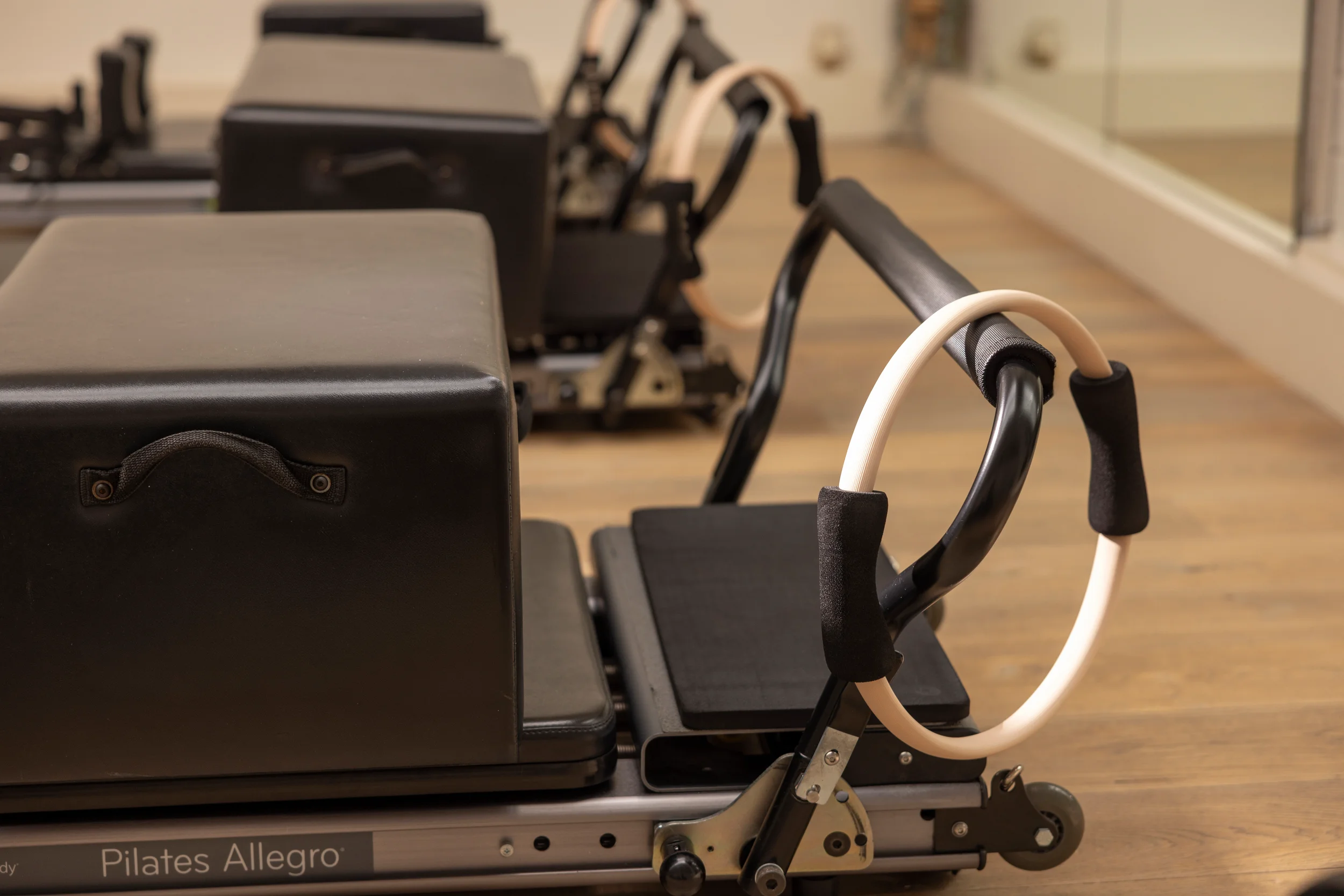
Training for a race or recreational running is about much more than simply increasing your running mileage. A well-rounded training programme should include progressive running, strength training, mobility work and adequate recovery to help the body adapt to the demands of running while reducing injury risk. Reformer Pilates is an excellent complement to running training, building the strength, stability and control needed to improve running efficiency while reducing unnecessary strain on the joints.
By strengthening the core, glutes and lower limbs, improving balance and enhancing mobility, runners can develop better movement patterns that support every stride. When this is combined with the expertise of a physiotherapist, the benefits go even further. A physiotherapist can identify individual weaknesses, muscle imbalances and movement compensations before they become injuries, ensuring every exercise is tailored to your body, your goals and your stage of training.
The result is a smarter, more effective approach to your running goals. Helping you stay healthy, perform at your best and arrive at the start line feeling strong, confident and ready to run.
Key Focus Areas for Runners
Here are five key areas every runner should focus on throughout their training:
- Strength & Stability – Build strength through the core, glutes and lower body muscles to improve running efficiency, maintain good form under fatigue and reduce injury risk.
- Mobility & Flexibility – Maintain healthy movement through the hips, ankles and thoracic spine to achieve a smoother stride, better range of motion and faster recovery.
- Running Technique – Improve posture, cadence and movement mechanics to make every stride more efficient, helping you conserve energy and reduce unnecessary strain.
- Recovery & Injury Prevention – Prioritise recovery with adequate rest, mobility work and targeted strength training. Early intervention from a physiotherapist can identify imbalances that may contribute to injury.
- Progressive Endurance – Gradually increase training volume while balancing intensity and recovery. A structured programme allows your body to adapt safely, building the endurance needed to confidently complete race day.


FAQ's
This programme is suitable for runners of all levels, from beginners training for their first event to experienced runners preparing for a 5K, half marathon, marathon, or ultramarathon. It's ideal for anyone looking to improve strength, mobility, running performance, and reduce their risk of injury throughout their training.
This programme is not suitable for anyone with a recent injury or new onset of pain during running or exercise. If you're currently experiencing pain or have sustained an injury, we recommend booking an initial consultation with one of our physiotherapists before joining the class. This will allow us to assess your condition, provide appropriate treatment, and ensure you're ready to participate safely. If you're unsure whether this class is right for you, please get in touch—we're happy to help.
Before starting the programme, each participant will complete an individual movement assessment with one of our physiotherapists. This assessment helps us understand your current mobility, strength, and movement patterns so we can monitor your progress over the 6 week block.
These findings will be used to individualise your exercise programme, highlight areas to focus on during class, and provide baseline measures to track improvements in mobility, strength, and running performance over the course of the programme.
A reassessment will be completed at the end of the 6-week programme to measure your progress and compare your results with your initial assessment. We will reassess key mobility, strength, balance, and movement control measures, allowing you to see objective improvements and identify any areas that may benefit from further development. This also helps guide your ongoing training and reduce your risk of future injury.
Yes, the programme is designed for progressions each week therefore it is essential that you attend each week to ensure you are getting the best from the programme.
Unfortunately, no. These credits are part of The Running Method programme and therefore can only be used for bookings of the 6-week running programme.